
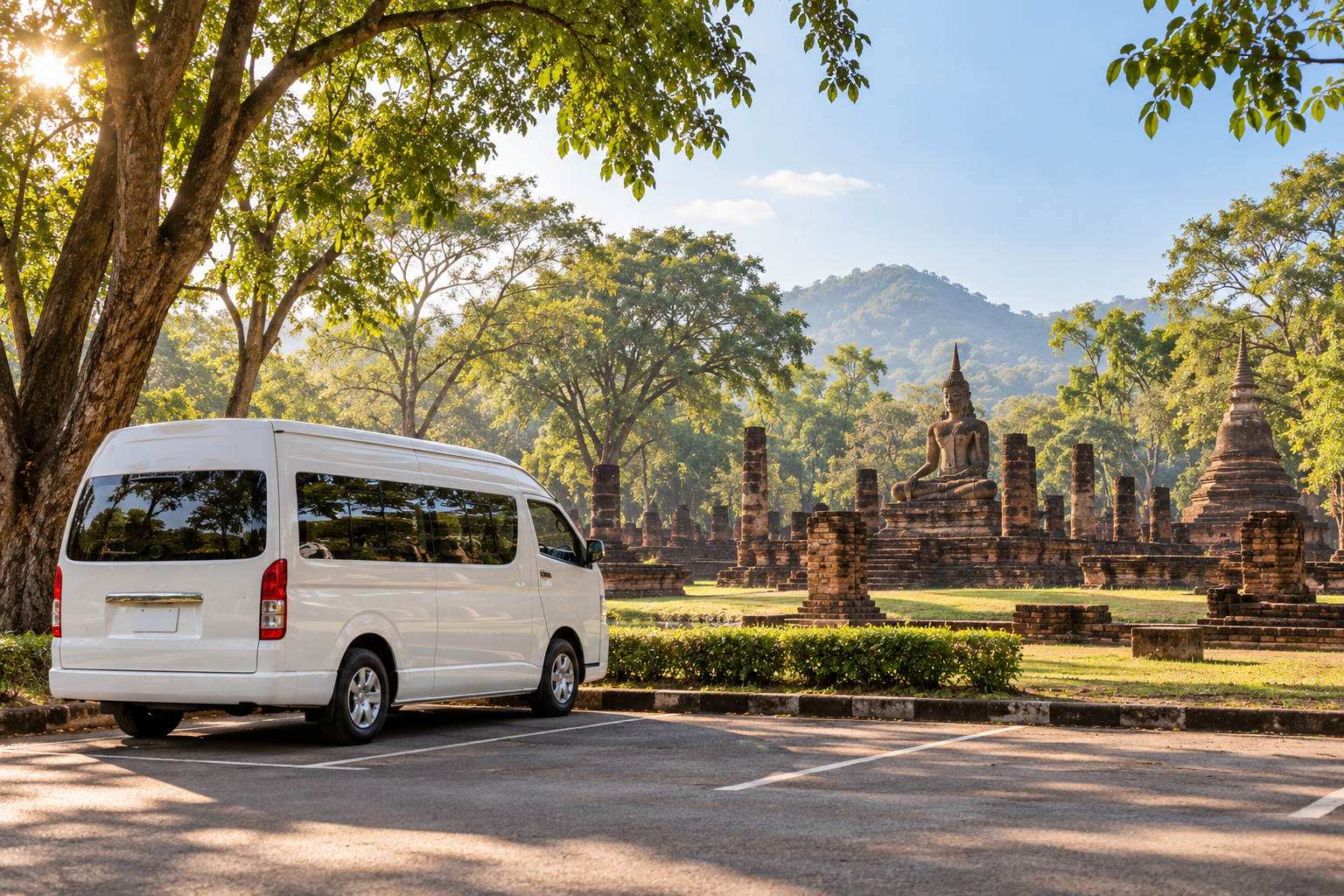
Kamphaeng Phet deserves a clear place in a northern Thailand itinerary: either a focused archaeological stop during a transfer, or a stay with enough time to explore the historic park at your own pace. A chauffeur-driven private van helps connect the hotel and separate visiting areas, but the quality of the day still depends on how much walking, interpretation and onward driving you ask it to contain.
Start with the question that matters for a quotation: are you buying transport to your next hotel with one heritage visit, or a sightseeing day that happens to end at another hotel? This guide compares those arrangements and explains when an overnight becomes worthwhile. It is a proposed planning approach; Mister Tour Thai should confirm route feasibility, vehicle availability and current visiting arrangements for your dates before you book.
Why choose Kamphaeng Phet?
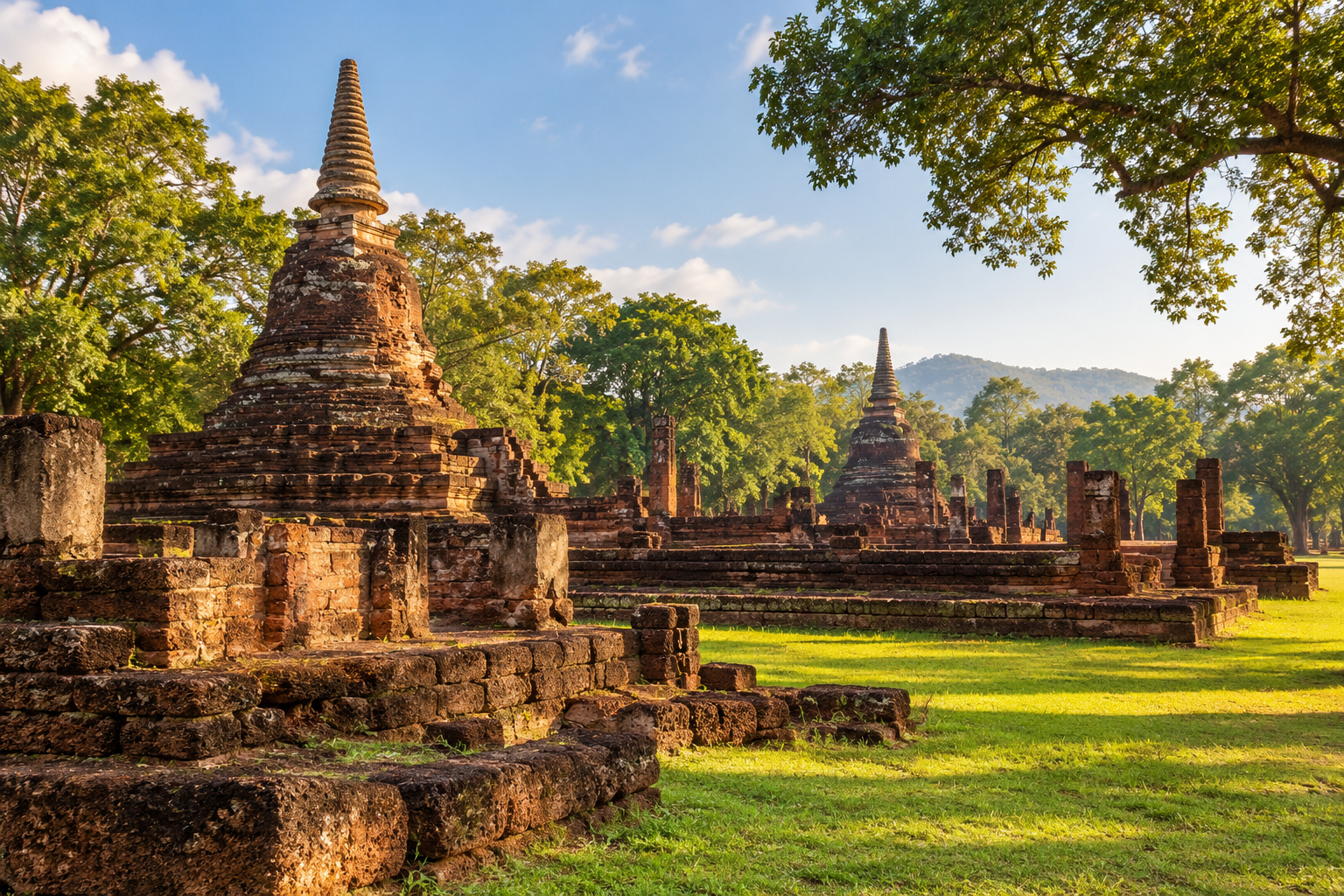
Kamphaeng Phet is one of the three towns in UNESCO's Historic Town of Sukhothai and Associated Historic Towns World Heritage property, alongside Sukhothai and Si Satchanalai. That connection gives it a meaningful place in a heritage journey. It does not mean the three parks form one compact sightseeing area or can sensibly be covered between breakfast and dinner.
The Tourism Authority of Thailand describes ancient monuments within the town and further historic sites in the Aranyik area northwest of it, associated with forest-dwelling monks. That separation is the useful planning distinction here: a concentrated town-area visit and a more spacious park exploration are different experiences. Choose according to your interest in archaeology and the time available, rather than trying to collect every monument name.
For travelers who enjoy reading a landscape, walking between ruins and discussing how an old city worked, a dedicated visit can be rewarding. For companions who prefer a quick cultural introduction, one selected area may be sufficient. Agree on that difference before hiring a vehicle for a long day. Transport comfort cannot create enthusiasm for several hours of similar-looking archaeological stops.
Option one: a heritage stop during a hotel transfer
This arrangement works when your actual pickup and final hotel make Kamphaeng Phet a practical stop. Provide both addresses, not just province names. Ask for an estimate that includes the detour, parking, a real visit, lunch and rest breaks. A route drawn through the town is not evidence that all those activities fit the driver's service hours or your desired arrival time.
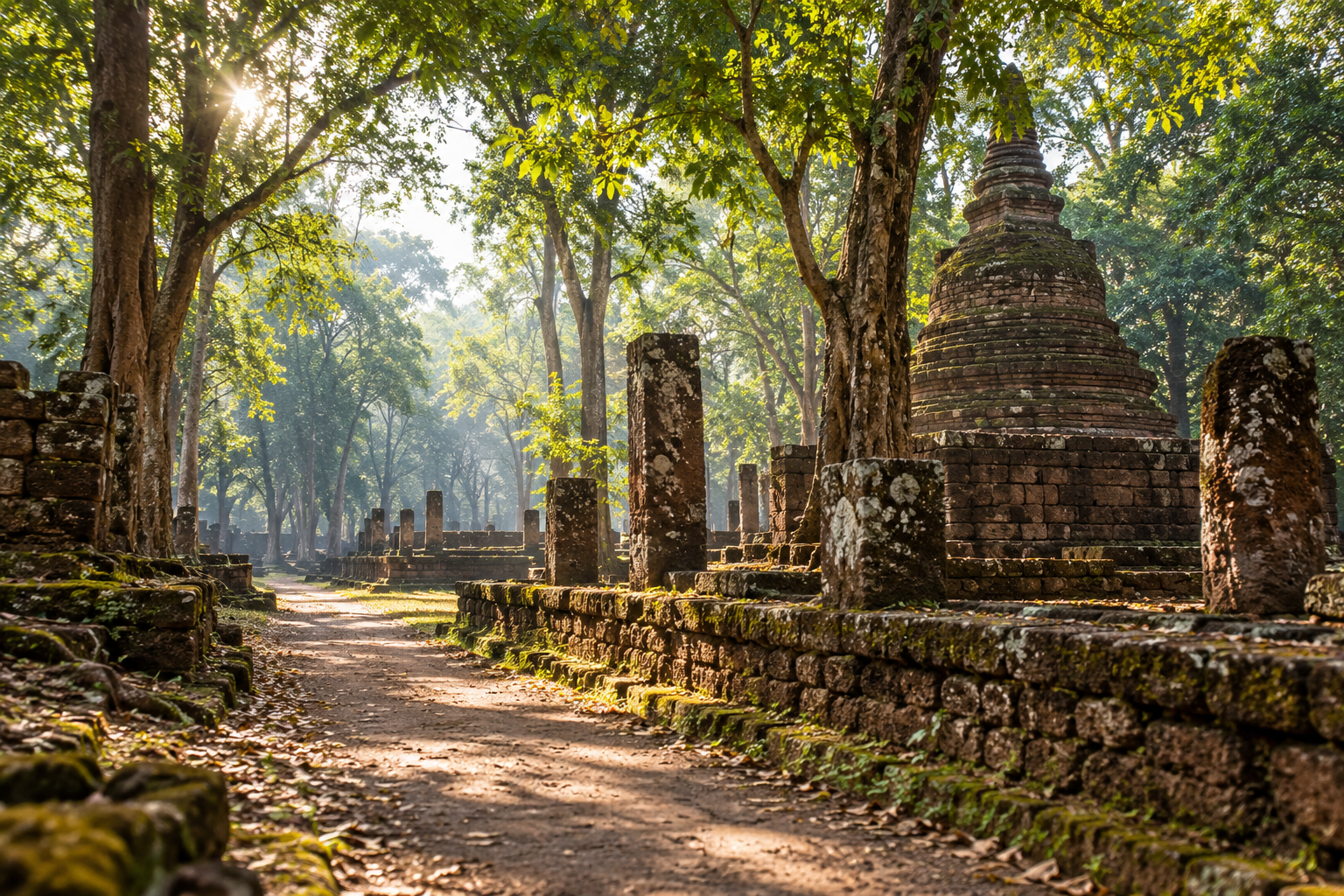
Choose one visiting area as the priority and make any second area optional. The trade-off is straightforward: you avoid another hotel change but have less freedom to linger. If checkout runs late or the road journey takes longer than expected, the optional visit should be the first item removed. Agree this order in writing so that everyone understands what the day is designed to protect.
A transfer quote may not include extended waiting, attraction access arrangements or overtime. Request those items explicitly. Ask what happens if the priority site cannot be visited: can the stop be shortened, replaced with an agreed alternative or omitted, and how does that affect the price? A sensible transfer programme should still work when one attraction changes its arrangements.
Option two: stay overnight and separate driving from sightseeing
An overnight is the stronger choice when the park is a central reason for your trip, when your group needs frequent rests, or when the onward hotel is far enough away to constrain the visit. However, a late arrival followed by an early departure creates a bed stop rather than sightseeing time. Compare the hours available on either side of the night before deciding that one night is enough.
A proposed pattern is to arrive, check in and rest, then devote the following morning to the park before moving on. If you want both visiting areas, historical interpretation and an unhurried meal, consider protecting a full day instead. Depending on your connections, that may mean two nights. These are itinerary choices, not fixed packages or promises about what a driver can cover.
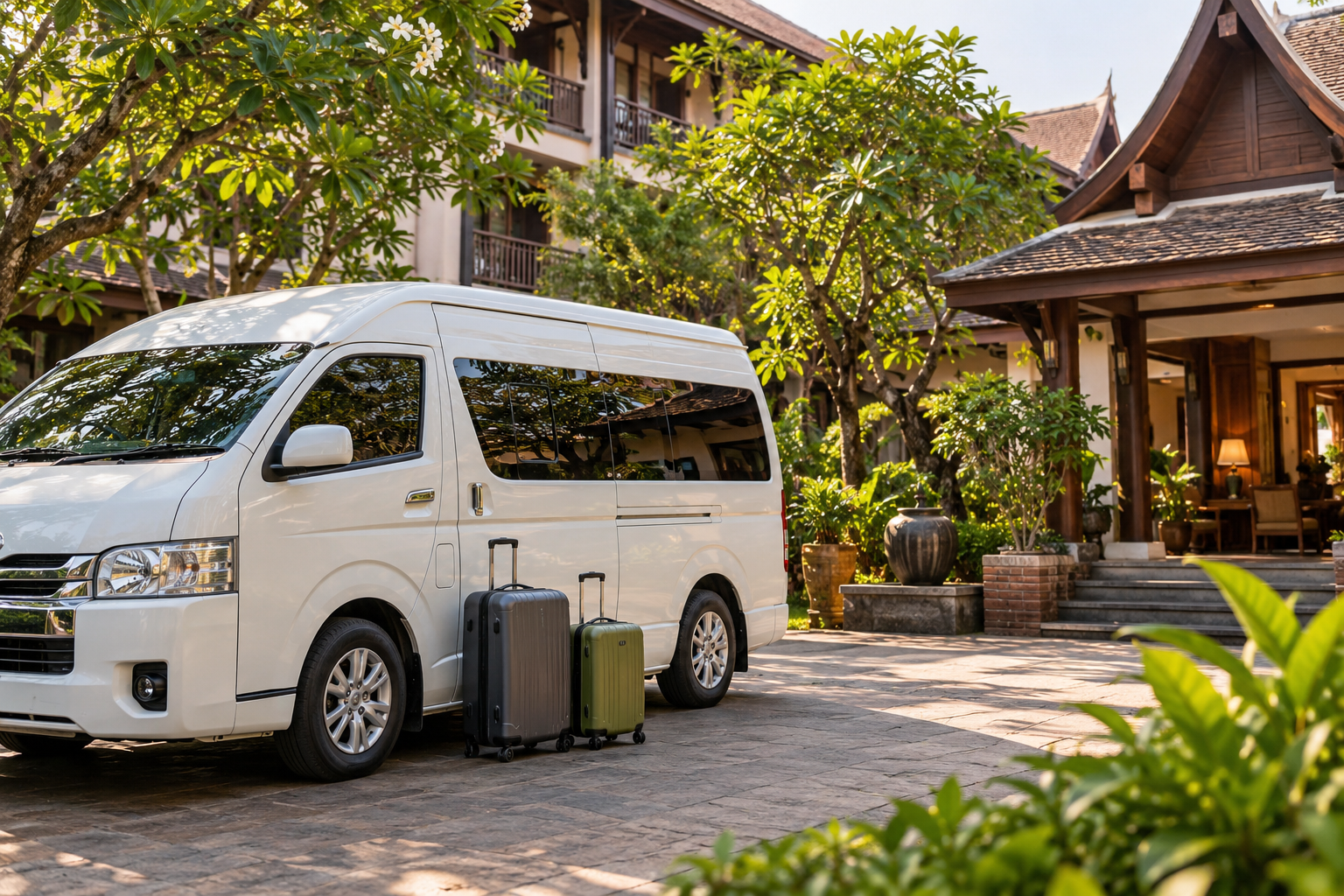
The benefit is flexibility over walking and rest. The cost is accommodation and possibly a different vehicle-service arrangement. Ask whether the van remains assigned to your group, whether driver accommodation is required and whether hotel breaks count within the charter hours. Do not assume an overnight vehicle is available for unlimited evening use simply because the driver is staying locally.
Build the park visit around two areas, not a long checklist
Ask the planner to identify the intended town-area monuments and the Aranyik area separately on the route. For each, request a suggested drop-off point, walking sequence and meeting location. Check current vehicle entry and parking rules with the operator. A private van should not be assumed to provide door-to-door access to every ruin, even where sites appear close together on a map.
For a short stop, choose the area that best matches your interests and walking capacity. For a longer visit, decide what the second area adds: a different setting, a particular monument or more time with a guide. This keeps the itinerary purposeful. It also gives the chauffeur a clear plan when the group wants to shorten the walk without abandoning the entire day.
Historical interpretation is worth specifying separately. A chauffeur handles transport, while a licensed guide can explain the relationships among monuments and their historical context. Request the language, guiding period and meeting arrangements in the quotation. Avoid assuming that local driving experience includes professional guiding, or that an English-language booking conversation establishes the driver's interpretation skills.
Walking, heat and rain: describe the group accurately
Tell the planner how long each traveler is comfortable walking and whether uneven surfaces, steps or prolonged standing are difficult. Ask about the actual paths and distance from parking to the proposed stops. A general request for an easy itinerary is less useful than explaining that someone needs a seated break after a short walk. Confirm any essential access requirement before paying.
Discuss an earlier or later visiting window around the day's forecast and current opening arrangements, without relying on a universal best hour. Carry drinking water and suitable sun or rain protection. If conditions deteriorate, shorten the outdoor programme and use an agreed meal or hotel break. Trees in a park do not guarantee continuous shade, and an air-conditioned vehicle does not eliminate the exposed sections of a visit.
For children or mixed-interest groups, make one walk the shared activity and keep the second conditional. Establish where anyone resting will wait and who will accompany them. Do not assume that leaving a passenger in the vehicle is an appropriate supervision arrangement. Respect barriers and conservation instructions; photograph ruins from permitted visitor areas rather than climbing structures for a better angle.
How this differs from a Sukhothai holiday
Use the Sukhothai and Si Satchanalai itinerary guide to compare where to allocate your heritage days. Kamphaeng Phet is an additional destination decision, not an automatic extra stop attached to that programme. If holiday time is limited, a deeper visit to one park may suit your group better than several brief arrivals and departures.
The multi-stop chauffeur itinerary guide explains the broader vehicle and hotel-change questions. Apply that framework to the whole journey before adding another destination. In particular, protect the final transfer before a flight or train. Ask the operator to work backward from the required arrival and remove sightseeing if it consumes the agreed contingency margin.
Luggage and service terms belong in the first enquiry
Send the number of adults and children, children's ages, suitcase sizes, hand luggage and any mobility equipment. Request a seating and luggage arrangement suited to the actual load. Passenger capacity alone is not a guarantee that a full group and large bags fit comfortably. Confirm suitable child restraints and any assistance needs rather than leaving them to pickup day.
On a sightseeing transfer, agree how bags will be handled during visits and lunch, and keep documents, medication and valuables with you. Supply the exact final drop-off address and any hard arrival deadline. If the trip begins with a flight or train, include the service details and ask about delayed pickup terms. Do not infer a connection from an unverified timetable.
A quote-ready Kamphaeng Phet request
Ask for two clearly separated proposals: a hotel-to-hotel transfer with one park-area visit, and an overnight arrangement with a longer heritage programme. Include dates, full addresses, passenger and luggage details, walking limits, guide language and the latest acceptable finish. Name the priority experience and identify the second visiting area as optional, so both quotations answer the same brief.
Request written inclusions for service hours, waiting, overtime, fuel, parking, applicable tolls and any driver overnight costs. Clarify admissions, guiding, meals and cancellation terms separately. A useful message is: “We want to understand Kamphaeng Phet without rushing. Please compare one archaeological stop during our transfer with an overnight stay allowing both park areas, and confirm walking arrangements and total vehicle-service hours.” The right proposal makes the compromise visible before you commit.
Research and planning notes
Destination background was checked against UNESCO's property description and the Tourism Authority of Thailand park overview. The route patterns above are editorial planning suggestions. Current opening hours, admission charges, vehicle access and service availability require confirmation for your travel dates.