

A private van in Nan is most useful when your trip connects a town hotel, heritage visits, and a separate countryside day. It is less useful if your entire plan is a short walk around the centre. Start by choosing between two nights in Nan town and a split stay that moves north toward Pua. That choice determines how much luggage travels with you, how much driving belongs in each day, and whether a dedicated chauffeur offers enough value.
This guide proposes a town-based first visit with an optional Pua extension. It does not assume that a scenic mountain circuit is operating or that a vehicle is available on your dates. Ask Mister Tour Thai to confirm service coverage and a written itinerary before reserving hotels around a promised route. The practical goal is a comfortable Nan visit with identifiable stops, rather than a long list of places connected only by lines on a map.
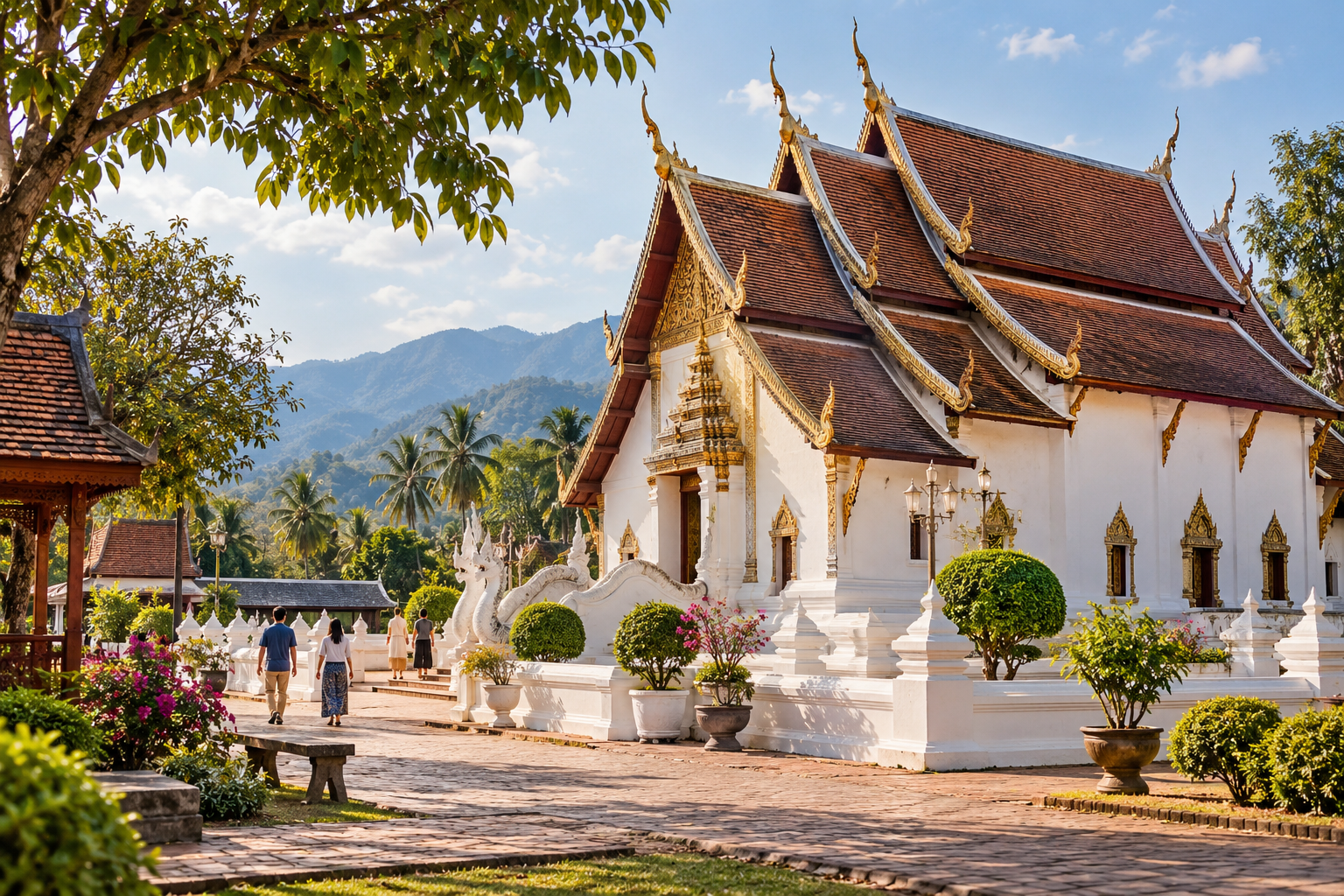
Why Nan deserves its own base
The Tourism Authority of Thailand identifies Wat Phumin, Nan National Museum, Wat Phra That Khao Noi, and Wat Phra That Chae Haeng among the province's highlights. It also distinguishes the rural experiences of Pua and Bo Kluea from the town's cultural sights. Those are different travel experiences: time inside a temple or museum is not interchangeable with a day spent reaching countryside accommodation.
For travelers already considering northern Thailand, treat Nan as a separate chapter. Do not assume it is an effortless extra stop on a Chiang Mai sightseeing day. Compare the actual transfer proposal with the time you want to spend in Nan itself. If most of your available holiday would be consumed by reaching the hotel and leaving again, keep the journey simpler or add nights before adding destinations.
Two nights in town or a split stay?
Two nights in one Nan hotel suit travelers who want one unpacking session, a heritage day, and a straightforward departure. Arrival and departure hours still matter: two nights with a late arrival and early departure may provide only one usable sightseeing day. In that case, make the town the priority and request the Pua option separately. A private vehicle does not create additional daylight or remove the need for meal breaks.
A split stay can suit a group that wants countryside evenings as well as town heritage. It creates another hotel move, more time with bags in the vehicle, and another check-in to coordinate. Request a comparison between returning to Nan after a countryside visit and ending that day at a Pua hotel. The more attractive option depends on exact accommodation locations and the following day's destination, not simply the number of stops advertised.
Build a heritage day around Wat Phumin
TAT's Japanese visitor information highlights Wat Phumin's murals depicting Buddhist stories and local life, including its famous whispering couple. This makes the temple a useful anchor for travelers who want to look closely and understand what they see. Ask for a licensed guide in your preferred language if interpretation matters; do not assume the chauffeur's transport service includes detailed cultural guiding.
Give the visit breathing room and confirm current visitor access. A government report dated 23 August 2026 described an inspection following flooding and ongoing conservation plans. That report is historical context, not confirmation of today's entrance arrangements. Ask locally about any work affecting access, photography, or circulation. Dress respectfully, follow posted instructions, and adapt the visit to worshippers and conservation needs instead of treating the building as a photo set.
Nan National Museum is a separate possibility nearby, identified by TAT for its regional art collection. Combine it with Wat Phumin only if opening arrangements and the group's interest support the pairing. A museum closure should lead to a revised programme, not an improvised promise of entry. Travelers who enjoy reading displays may prefer fewer stops; others may want a shorter cultural introduction followed by a proper lunch and hotel break.
Choose a second temple for a reason
Wat Phra That Chae Haeng appears in TAT's suggested Nan itinerary alongside the town and Wat Phumin. It is a candidate for a second heritage visit rather than an obligation. Ask what the visit adds, how much walking is involved from the permitted drop-off point, and whether the group wants another religious site that day. This turns a familiar attraction list into a decision about interests and energy.

Wat Phra That Khao Noi is another official destination highlight. Before putting it into the same day, request current access details and discuss steps, slopes, and the distance from parking. An air-conditioned van helps between visits but cannot establish that a site is accessible to every traveler. Give the planner specific needs, such as avoiding long stairways or needing frequent seated breaks, rather than relying on the word easy.
Keep Pua optional until the road plan is clear
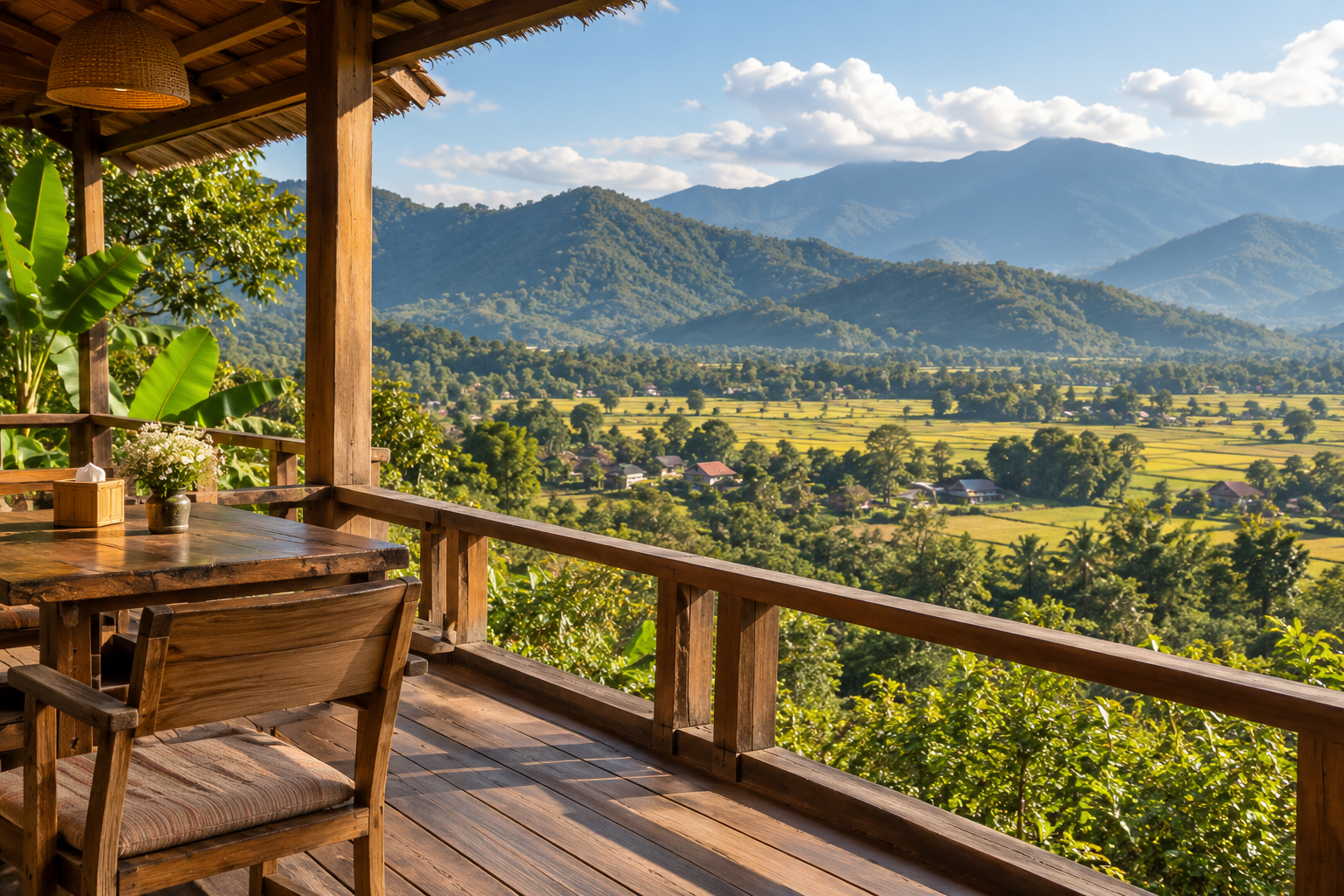
Pua offers a different emphasis from the town heritage programme: TAT presents it as a place to experience local life and natural surroundings. For a first enquiry, ask for a countryside visit centred on your interests, whether that means a relaxed meal, village surroundings, or time near your chosen accommodation. Request named stops in the proposal. Do not interpret a general countryside description as confirmation of a workshop, host, or organised community visit.
A Pua day and a Bo Kluea mountain excursion should be quoted as different options. TAT's wider three-day itinerary includes Bo Kluea and Sapan, but an inspirational itinerary is not a current road-status report. This guide does not establish that connecting mountain roads are open or suitable on your date. Have the operator confirm the actual road, current access, weather-related alternatives, and return plan before committing to that extension. Retain the town-based option if those details cannot be confirmed.
Arrival and departure days need lighter plans
If you arrange an arrival transfer, supply the confirmed arrival details, hotel address, passenger count, and luggage description. Ask when the driver's waiting period starts, how delays are handled, and where the meeting point will be. Keep the first sightseeing stop optional until you know how much usable time remains. A late arrival is a reason to shorten the programme rather than push every planned visit into the evening.
For departure, work backwards from the required check-in or onward meeting time. Ask the operator to set the hotel pickup and contingency margin using the actual departure point. Avoid using a countryside excursion as an untested connection before a fixed departure. If the group wants one final visit, choose it only after the transfer plan is confirmed and give the driver a clear instruction to omit it when timing becomes tight.
What a private van should solve
A chauffeur-driven van can consolidate transport for a group with different luggage and comfort needs, and provide agreed collection points after visits. It is worth comparing with individual transfers when the itinerary includes several separated stops or a hotel change. For a couple staying close to the sights with only one transfer required, request that simpler service too. Choose the arrangement that matches the journey rather than assuming a full-day charter is always necessary.
Ask for the proposed vehicle and its actual passenger-and-baggage layout. Send children's ages, suitcase sizes, and any mobility equipment; confirm suitable child restraints where needed. Specify whether the vehicle stays assigned during meal breaks and visits, and how the driver can be reached. Discuss secure bag handling when luggage remains in the van, while keeping essential documents, medication, and valuables with you.
Compare northern alternatives before booking
If your trip is anchored in Chiang Mai, the Lamphun and Lampang planning guide helps assess a different heritage journey before adding Nan. Travelers more interested in historic ruins can compare the Sukhothai and Si Satchanalai guide. These are alternative holiday choices; they are not suggested extra stops inside this Nan programme.
Send a request that can become a clear quotation
Include dates, exact pickup and final drop-off addresses, usable sightseeing days, group composition, luggage, and walking limits. Identify Wat Phumin as an anchor if it matters to you, then list the museum and second temple as preferences requiring access confirmation. Ask for the town-only proposal and a separately priced Pua option. State whether you want hotel return or a new hotel drop-off, and whether a licensed guide is required.
Request included service hours, overtime, fuel, parking, any tolls, driver accommodation where relevant, and cancellation terms. Have admission charges, meals, guiding, accommodation, and optional activities itemised separately. A useful enquiry is: “We have two nights in Nan with one full sightseeing day. Please quote a town heritage programme for four adults, including one guest who avoids stairs, and price a separate countryside day if we add a third night.” Replace the example with your real details, then book only after the confirmed proposal explains the route, access checks, transport scope, and exclusions.