

A Chiang Saen private van day works best when you choose its purpose before listing stops. For travelers staying in Chiang Rai, the main decision is between an ancient-town visit with riverside time and a longer programme that adds the Golden Triangle area. A chauffeur can connect the agreed places and manage pickup logistics; the quality of the day still depends on how much time you leave outside the vehicle.
Choose the town-focused version if archaeology, quiet observation and an unhurried lunch matter most. Consider the extension if the history presented at the Hall of Opium is a genuine interest. If both deserve substantial attention, compare an overnight with returning to Chiang Rai. These are planning options for a tailored quotation, not fixed packages or guaranteed journey times.
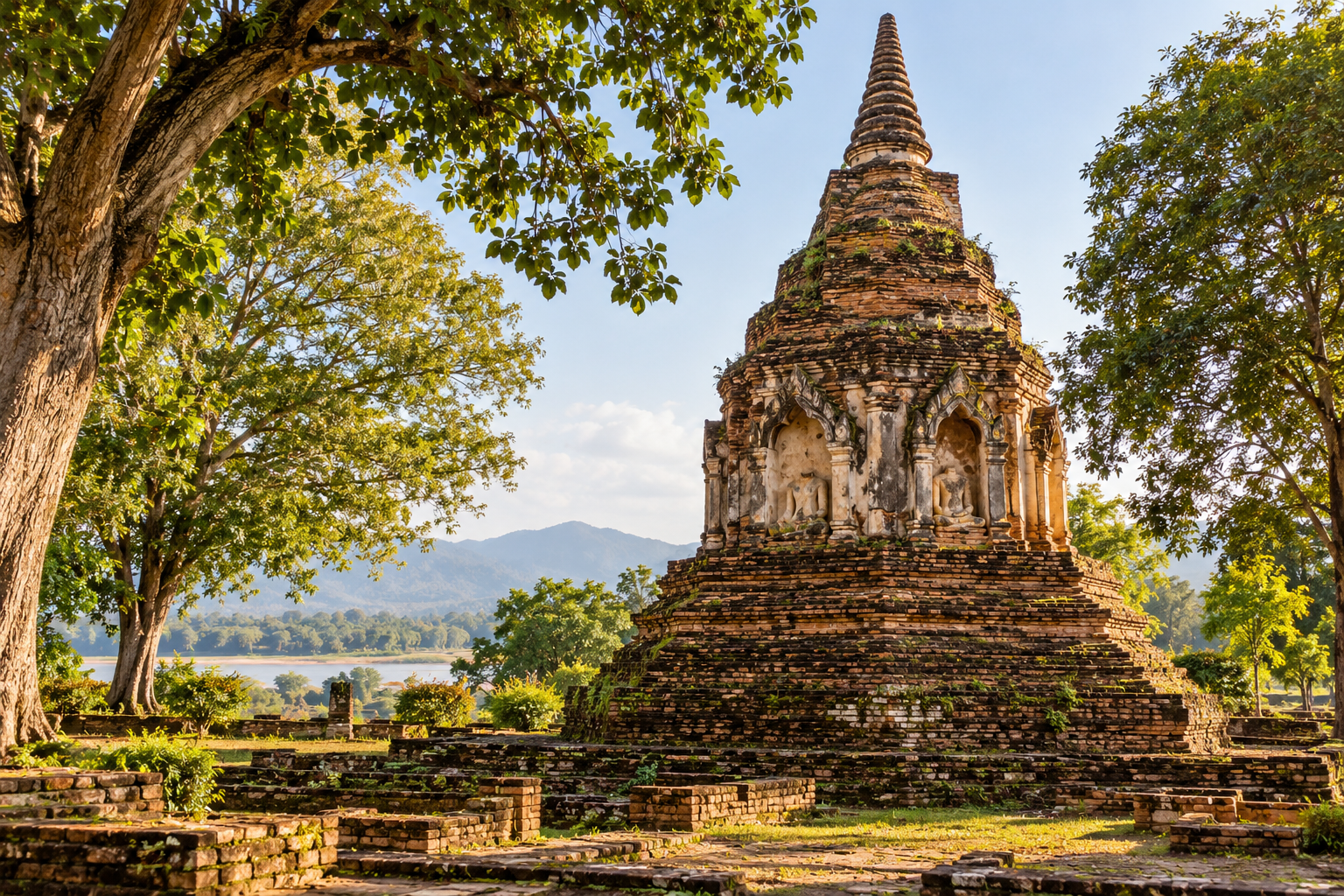
What makes Chiang Saen a different northern stop?
Chiang Saen offers a heritage focus beside the Mekong. The Fine Arts Department describes Wat Pa Sak as a historic monastery outside the ancient city wall, with a decorated stupa combining several artistic influences. TAT describes Chiang Saen National Museum as a place for locally excavated objects and regional cultural context. Together they give travelers a reason to look closely rather than simply collect viewpoint photographs.
Build your visit around one question: do you want to understand an ancient town, spend time by the river, or explore the wider region's more recent history? These interests overlap geographically but need different pacing. A museum-first visitor may prefer interpretation before walking among ruins. A group seeking scenery may value a shorter heritage visit and a longer lunch. Neither needs every stop on a provincial attractions list.
Option one: a focused heritage day from Chiang Rai
Ask for a hotel-to-hotel proposal with Chiang Saen National Museum, one selected archaeological site and a riverside meal or rest. Wat Pa Sak is a useful candidate for the outdoor component. Confirm each venue's current access arrangements before fixing the sequence. If the museum is essential, let its verified visiting window shape departure from your hotel instead of choosing an arbitrary early start.
Have the planner break the day into driving, parking, walking, visiting and breaks. A short movement on a map can still involve finding a permitted drop-off, reaching an entrance and waiting for everyone to regroup. Tell the chauffeur which visit is essential and which can be shortened. This makes a late departure easier to handle without quietly removing the experience that motivated the trip.
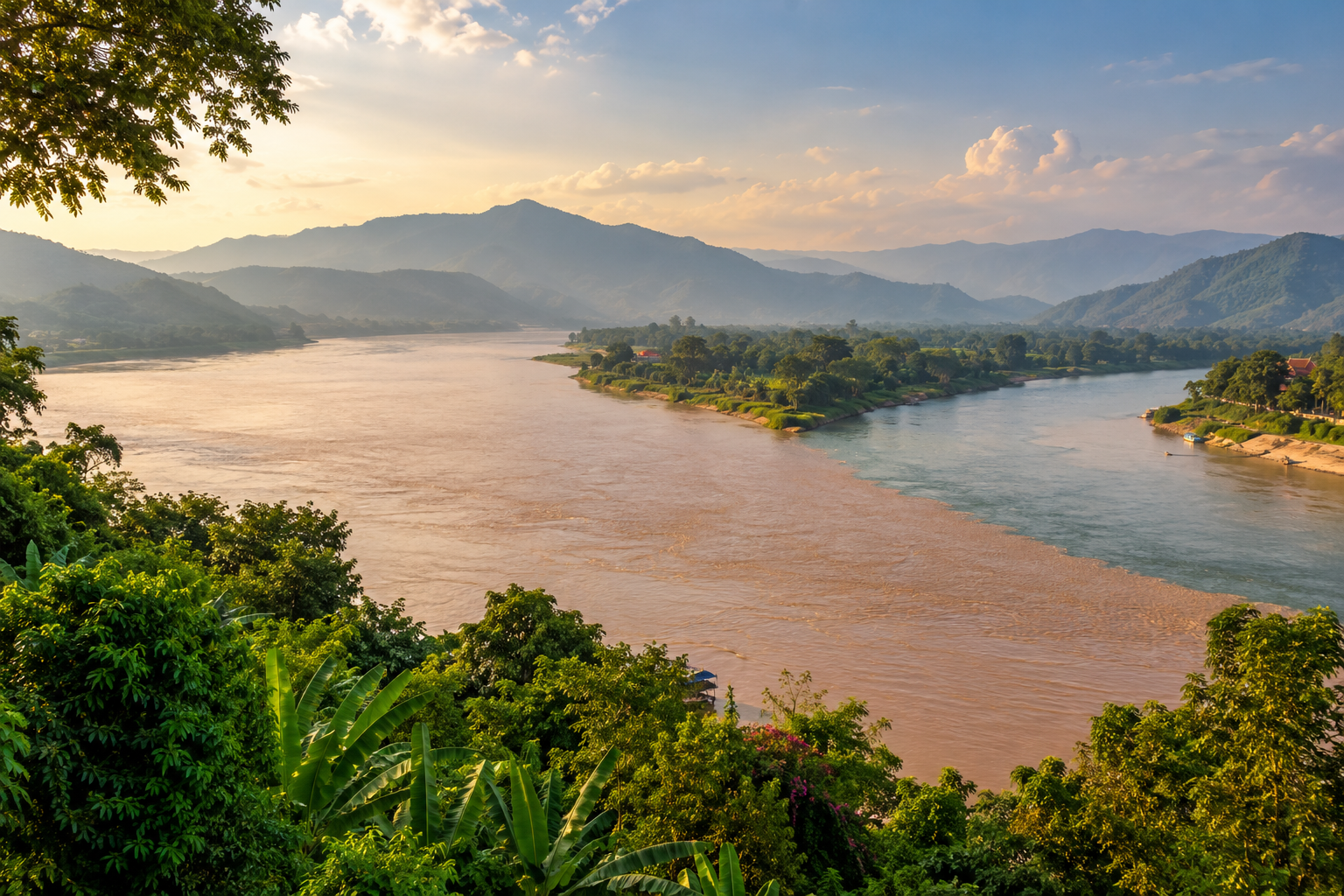
This version suits travelers who prefer depth within a manageable area. It also avoids making an additional museum compete with the town's own collection. Ask for a latest return time, especially if you have dinner reservations or children who need an early evening. A realistic finish is more useful than a long attraction list with no allowance for lunch or fatigue.
Option two: add Sop Ruak and the Hall of Opium
The Golden Triangle at Sop Ruak is associated with the meeting of the Mekong and Ruak rivers and the borders of Thailand, Laos and Myanmar. A view from the Thai side and a museum visit serve different purposes. Decide whether you want a brief geographic orientation or a substantial educational stop. Do not assume that one automatically provides enough time for the other.
TAT describes the Hall of Opium as a multimedia exhibition exploring opium's history, trade and social consequences. That makes it a deliberate museum choice, not merely a place to wait out bad weather. Request an appropriate visiting allowance and check whether the subject matter suits everyone in your group. Families can discuss the exhibition's themes before deciding how much of the programme to include.
If the Hall of Opium becomes the priority, reduce the ancient-town portion. One archaeological visit, a meal and the museum can be a more coherent proposal than two museums and several temples. Ask the operator to name the exact venue and entrance in the quotation; vague wording such as “opium museum” is not enough to establish the intended booking. Confirm guiding and admissions separately.
When an overnight earns its place
An overnight is worthwhile when it creates usable time for both interests. For example, one session could focus on Chiang Saen's archaeology and another on the Golden Triangle museum, with a hotel break between them. The actual order depends on current opening arrangements, your arrival and onward destination. A late arrival followed by an early departure may add a hotel change without improving the visit.
Compare the overnight's full cost with a shorter day from your existing base. Include accommodation, luggage handling, driver overnight arrangements and the following day's transfer. Ask when chauffeur service ends and restarts. A vehicle booked across two dates does not imply unlimited evening availability. If a riverside dinner matters, include its transport requirements explicitly rather than assuming an extra outing is covered.
Keep the route on the agreed side of the river
A Thai-side sightseeing itinerary does not establish permission or arrangements for an international crossing. Treat any proposed boat excursion as a separate service requiring current confirmation of route, operator, boarding arrangements and applicable requirements. This guide does not verify boat operation or border access. A riverside view alone can provide the geographic context without adding another transfer to the day.
If boating is a priority, ask how it affects the van's waiting period and the remaining visits. Establish a fallback if the excursion cannot operate, including what happens to its cost. Travelers who prefer a land-only day should say so in the first enquiry. Clear scope keeps the quotation useful and prevents an optional activity from consuming the time reserved for heritage.
Walking, heat and interpretation at the ruins
A chauffeured transfer reduces the need to organize transport between places, but does not remove uneven ground, steps or exposed walking at an archaeological site. Describe mobility needs concretely: distance you can comfortably walk, difficulty with steps and how often you need seating. Ask the provider to check the actual visitor route and the distance from a legal drop-off to the part you want to see.
For hot or wet conditions, retain a shorter outdoor option and a proper rest break. Do not rely on a museum as a weather alternative until its availability is confirmed. Follow site instructions, keep off fragile structures and respect any worship activity. If you want the architecture explained, request a licensed guide in your preferred language; chauffeur coordination and specialist interpretation are different services.
Fit Chiang Saen into the wider journey
The Chiang Mai to Chiang Rai private van guide helps with the broader intercity journey. For this excursion, a Chiang Rai base is the starting assumption. If you are beginning elsewhere, request a fresh route calculation rather than attaching the same sightseeing programme to a much longer transfer. Exact hotel addresses matter more than a province name.
On an arrival day, provide confirmed transport details and ask how delays change the itinerary. Leave the main museum visit for a reliable window if it is the reason for traveling. Avoid coupling a full sightseeing plan with a tight onward connection. The operator should identify a latest departure from the final stop and explain which optional visit would be dropped if the day runs late.
Prepare a quotation that can actually be compared
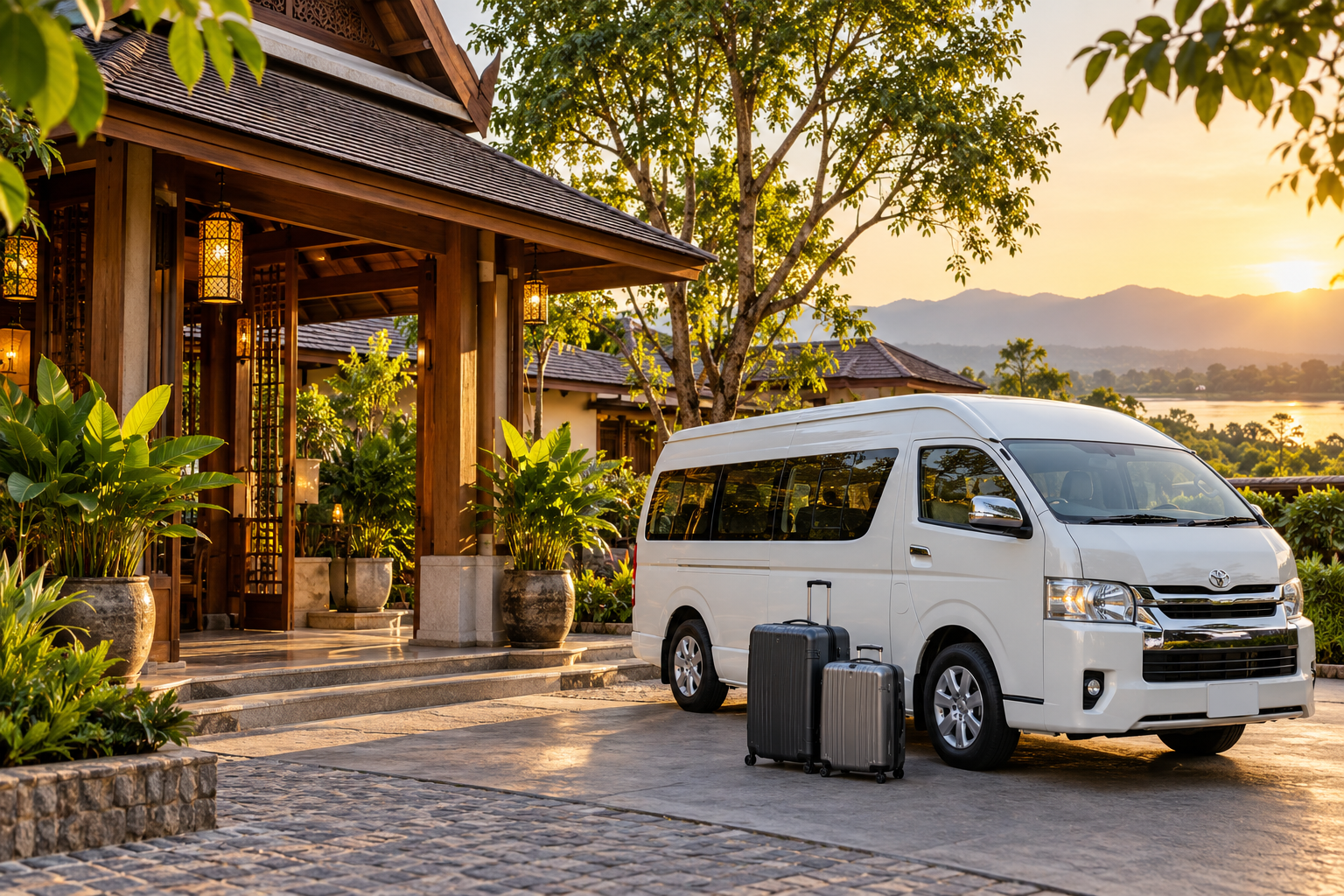
Send dates, pickup and drop-off addresses, passenger numbers and ages, suitcase quantities and dimensions, and any stroller or mobility equipment. Ask for the actual seating and luggage arrangement, including suitable child restraints where needed. A promotional van photograph cannot establish capacity for your particular group. If luggage travels with you during sightseeing, agree handling arrangements and keep essential documents and medication with you.
Use the multi-stop chauffeur planning guide to organize the service terms. Request separate prices for a town-focused day and the Golden Triangle extension, with an overnight alternative only if useful. Each proposal should state service hours, overtime, waiting, fuel, applicable tolls, parking and driver accommodation where relevant. Clarify admissions, guiding, meals and cancellation terms as explicit inclusions or exclusions.
A useful request reads: “We are staying in Chiang Rai and want to understand Chiang Saen's heritage. Please compare a museum-and-ruins day with an option including the Hall of Opium. Our addresses, passenger details and luggage are below. Please confirm realistic driving and visiting allowances, current venue access, guide options and the latest return.” Add your one essential experience so Mister Tour Thai can prioritize it when preparing the route.
Sources and checks for your dates
Destination context was checked against the Fine Arts Department guide to Wat Pa Sak, TAT's Hall of Opium description and the TAT northern provinces brochure. These support background, not present-day operating guarantees. Confirm hours, admission, access and road timing for your dates. Images are AI-generated editorial illustrations rather than documentary photographs of the named sites.