
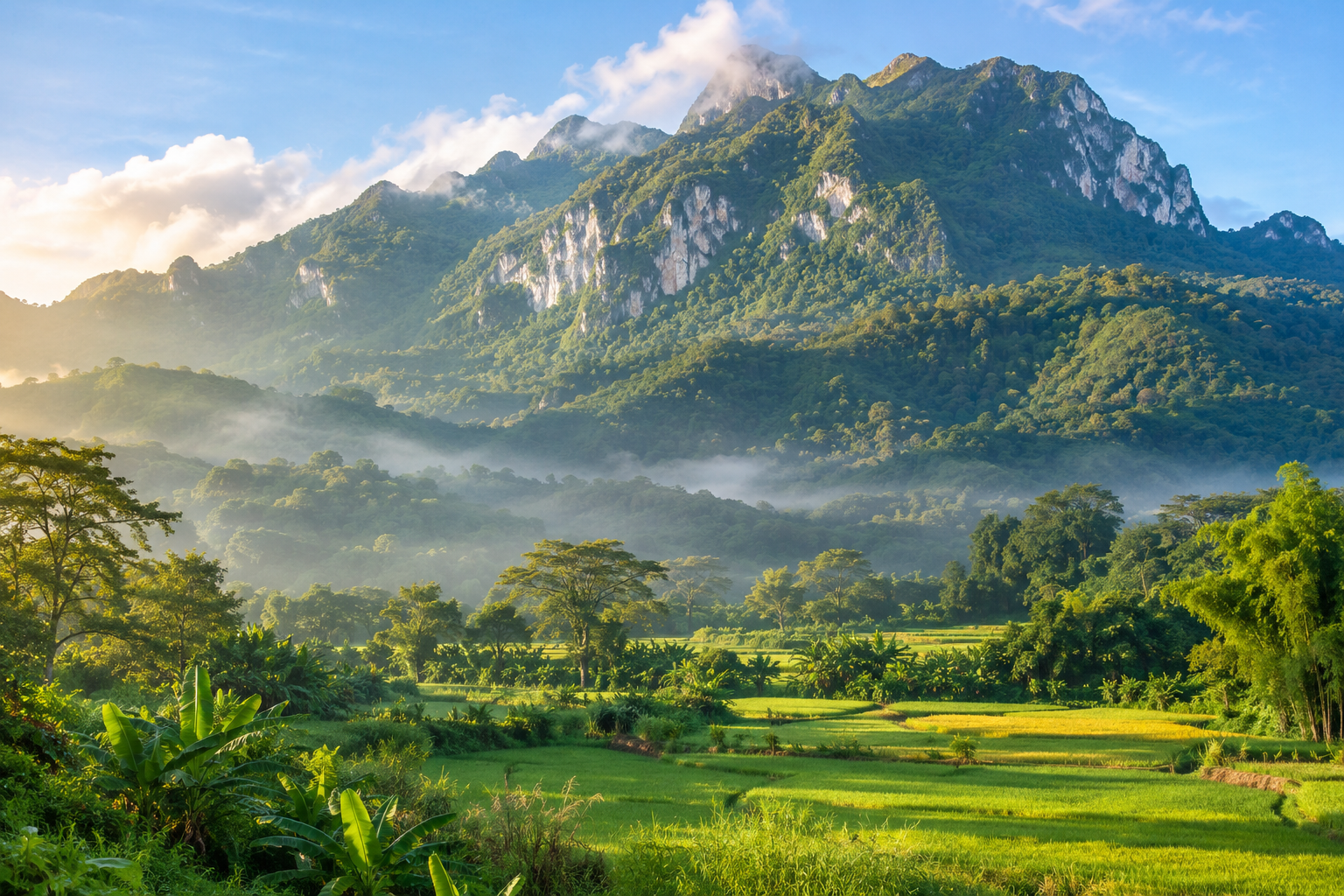
Choose a cave-and-valley day, or stay for a slower mountain setting
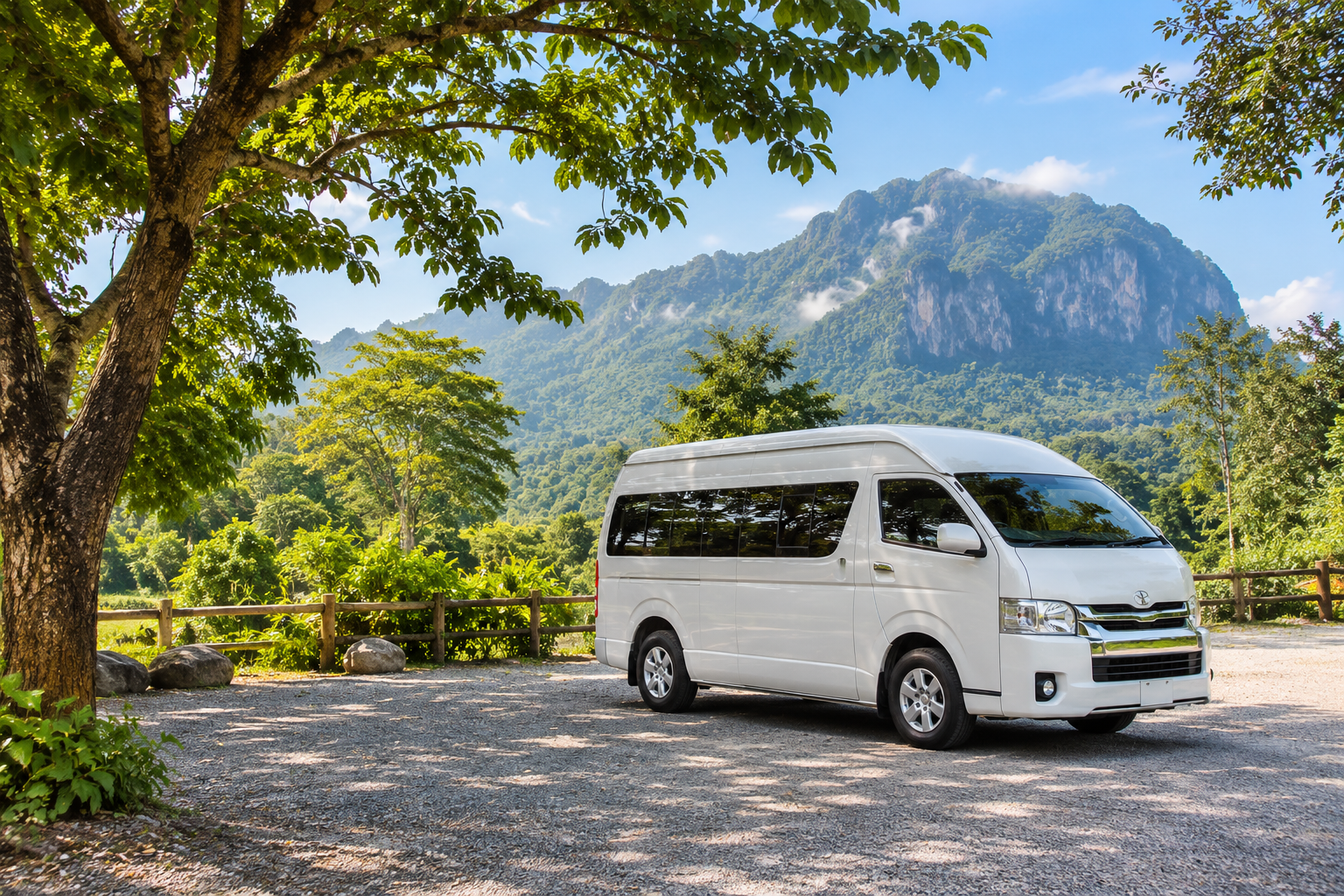
Chiang Dao works as a private van excursion from Chiang Mai when you keep the plan focused: visit Chiang Dao Cave, have lunch nearby and leave time to enjoy the mountain landscape before returning. An overnight makes more sense if you want an unhurried afternoon, a second chance at clear mountain views or a stay near the cave area. A summit trek is a separate undertaking that needs its own arrangements. Booking a chauffeur does not automatically organise that experience.
The key question is what your group wants to do after reaching Chiang Dao. Some travelers want a short cave visit and a comfortable countryside day. Others want to explore darker passages with a local guide. Others mainly want to sit outside with a mountain view. Tell Mister Tour Thai which of these is the priority before discussing additional stops: the answer changes the schedule, the waiting arrangement and whether returning to Chiang Mai that evening feels worthwhile.
Understand the destination before building the route
Chiang Dao lies north of Chiang Mai, with the main approach following the Route 107 corridor through Mae Rim and Mae Taeng. The town, cave area and accommodation addresses are separate destinations for a driver. A booking that simply says “Chiang Dao” leaves too much unresolved, especially if your hotel is on a small side road or beyond the immediate valley.
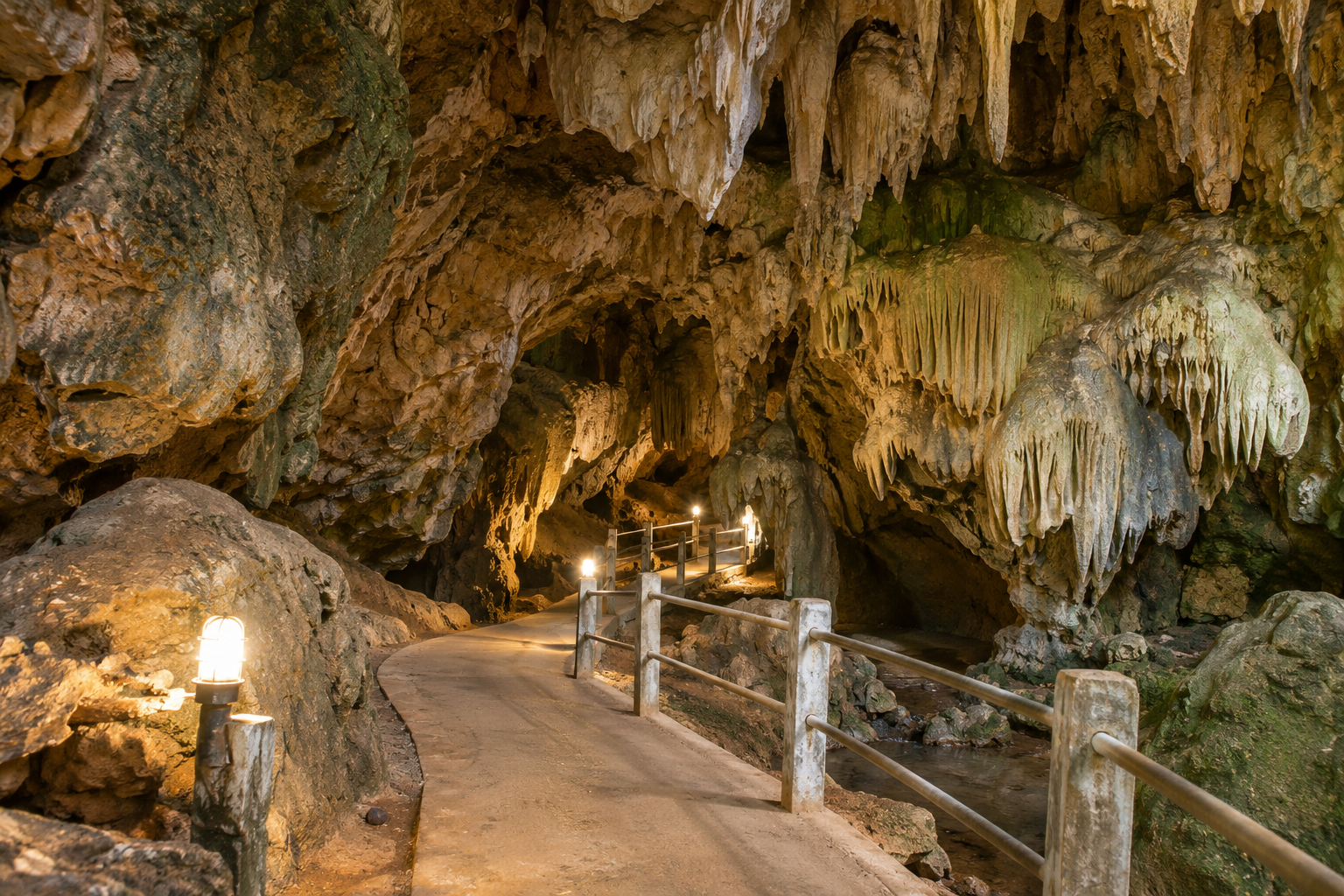
The limestone mountain provides the dramatic setting, but the cave is a visitor destination at its base. UNESCO recognised Doi Chiang Dao as a biosphere reserve in 2021. Its account describes the limestone cave landscape and the Buddhist temple marking the cave entrance. This is useful context for visiting respectfully; it is not an assurance that every trail or chamber is accessible on your date.
A good first visit can stay within the cave-and-valley area. You do not need to climb the mountain to appreciate the setting, and the landscape should not become a checklist of viewpoints. Cloud may conceal the upper slopes. Choose a day you would still enjoy for its cave, lunch and quiet stops if the summit remains hidden.
Decide how much cave exploration everyone actually wants
Independent specialist reporting distinguishes electrically lit sections from darker sections explored with local guides and lanterns. The TAT brochure also describes local guides at the cave and a staircase on the approach. Treat “cave visit” as a choice of experience rather than a single activity suitable for every traveler. Confirm the available route and conditions with the site team when planning and again on arrival.
The longer underground option can include low passages and uneven surfaces. Ask whether your proposed route requires crouching, how you return if someone wants to stop, and whether the group can choose a shorter visit. A person who enjoys temple sightseeing may still dislike darkness or enclosed spaces. Make that preference explicit before paying for an activity rather than relying on enthusiasm from the most adventurous person.
For mixed interests, agree on a meeting point and a realistic waiting plan. Some guests may prefer remaining around the entrance area or taking a nearby seated break while others explore. Confirm that the waiting place is suitable and available; do not assume the van can remain immediately beside the entrance. The chauffeur handles road transport, while a cave guide handles the guided cave experience. Ask separately about language, availability and charges.
A focused day trip from Chiang Mai
Start with your actual hotel address and the time everyone can be ready. Ask the operator to estimate the journey using that pickup point, your date and planned breaks. A city-center departure, an airport pickup and a resort outside town produce different schedules. Avoid treating an online driving estimate as the complete door-to-door outing: gathering the group, parking, walking and lunch all use time.
- Outbound journey: leave Chiang Mai with one practical refreshment or toilet break if needed. Keep optional attractions off the confirmed route until the main timing is clear.
- Cave area: discuss the currently offered visit with the local team and choose the shorter or guided option that fits the whole group.
- Lunch and valley pause: allow a proper meal and one relaxed scenery stop at a venue with agreed parking.
- Return: leave enough flexibility for the drive back rather than promising an exact dinner or flight connection.
This outline suits travelers who want a change from Chiang Mai without moving hotels. Its trade-off is the return drive on the same day. Adding a waterfall, several cafes and a mountain village can remove the flexibility that made the private van attractive. If another attraction is essential, ask which existing stop should be removed and request a revised finish estimate.
What an overnight genuinely adds
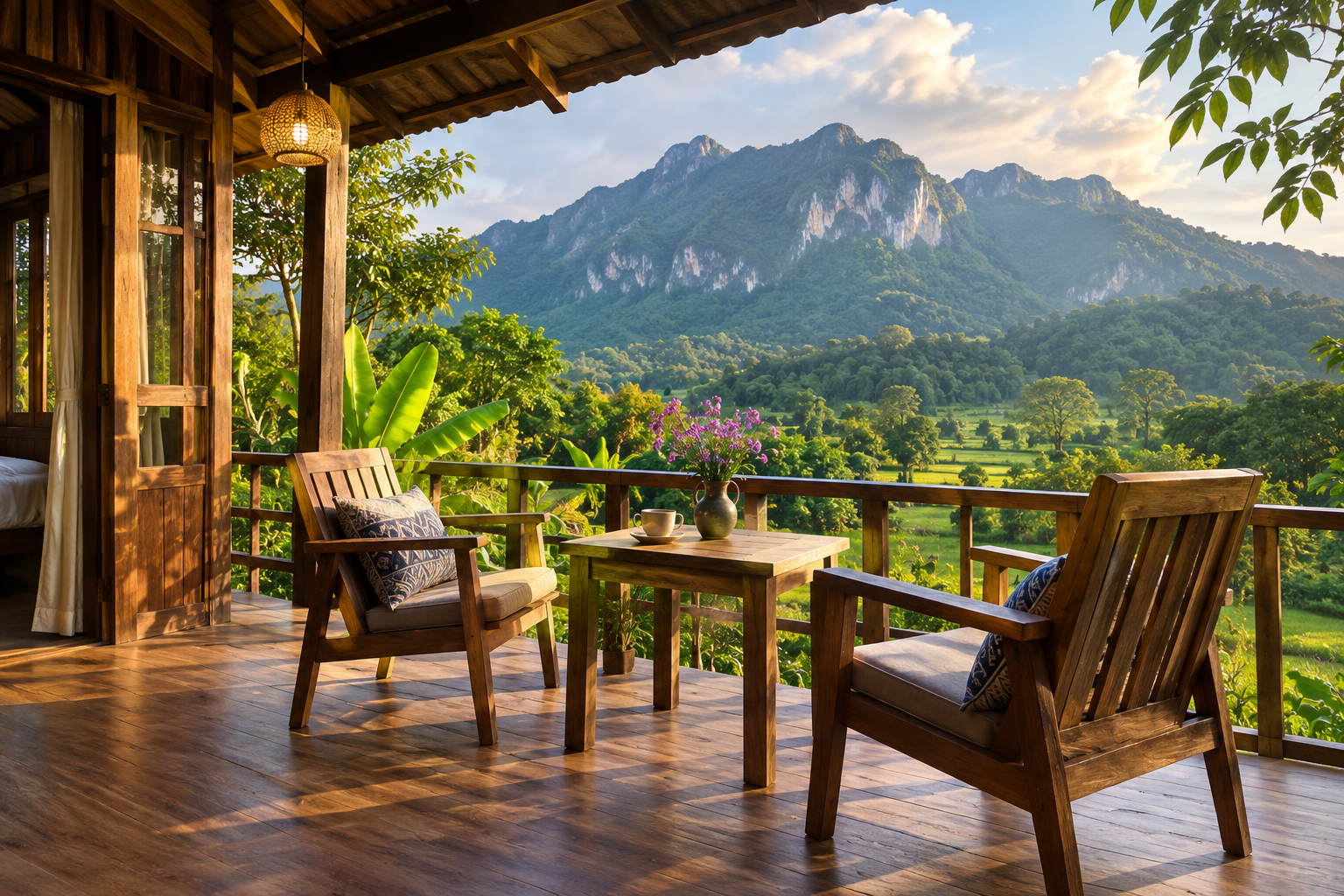
An overnight separates the outward journey from the return and gives you an evening in the valley. It can also leave space for another look at the landscape the next morning. It does not guarantee clear skies, quiet attractions or a particular sunrise. Choose the accommodation for the experience it can provide even when the weather changes: comfortable rooms, meals and a pleasant place to rest matter more than a single promotional view.
Check the property pin before confirming transport. A stay near the cave and a remote hillside homestay can involve very different access. Send the name, address and any arrival instructions to the operator. Ask the property whether the selected vehicle can reach reception, where luggage is unloaded, and whether guests must walk a slope or steps. A room with a view is not necessarily a room with easy access.
Compare two transport arrangements: a driver and van retained across the trip, or an outward transfer followed by a separately scheduled collection. Ask how evening meals, local movements and the driver's overnight arrangements are handled in each quote. A cheaper transfer-only arrangement may leave you needing additional rides. A retained vehicle may offer more flexibility, but its service hours and included movements still need to be written down.
Keep summit trekking and Muang Khong separate
The TAT brochure describes the summit as reached on foot and requiring advance authorisation. Because that brochure is historical, its exact procedure should not be used as a current booking instruction. If trekking is the main objective, establish the current access process, guide arrangements and meeting point with the responsible organiser first. Then arrange the van around that confirmed plan, including what happens if the trek is cancelled.
Muang Khong is another separate decision. Independent road reporting describes a substantial extension over steep mountain roads beyond the cave area. Its motorcycle itinerary does not establish suitability for your van, weather or group. Request a route-specific assessment before adding it. If the aim is a comfortable first Chiang Dao visit, staying near the valley is a clearer plan than extending the day simply because a destination looks close on a map.
Prepare for changing conditions without overloading the day
Ask about the local forecast and current cave access shortly before travel. Rain can change the appeal of a walking stop; a cave is not automatically an all-weather substitute. Follow the site team's instructions and keep an alternative that your group actually wants, such as a longer lunch or an earlier hotel arrival. If mountain visibility is poor, avoid repeatedly driving between viewpoints in search of a photograph.
Bring footwear suited to uneven walking and keep a small day bag separate from luggage. For travelers who need easier access, describe functional needs precisely: difficulty with stairs, limited standing tolerance or a need for frequent seated breaks. Ask about the actual entrance and proposed visit rather than requesting a generic “senior-friendly” route. The van can simplify the road journey; it cannot change the cave terrain.
Send a quote-ready Chiang Dao enquiry
- Travel date, Chiang Mai pickup address and final drop-off address.
- Number of adults and children, luggage quantities and any child-seat request.
- Day return or overnight, with the exact accommodation pin if staying.
- Preferred cave experience and whether some guests will wait outside.
- Walking limitations, meal requirements and desired break frequency.
- Essential stops, optional stops and any firm evening commitment.
- Whether you need local guiding arranged, and the requested language.
Ask the written quote to distinguish transport, waiting, parking, any driver overnight costs, admissions, local guiding and meals. Request the policy for changing the route or finishing later. For example, a family carrying overnight bags might prioritise the shorter cave option and a hotel arrival before dinner, while two cave enthusiasts may prefer more time underground and fewer roadside stops. These are illustrative planning choices, not fixed packages or promised schedules.
If you are choosing between northern nature excursions, our Doi Inthanon guide explains a different mountain day involving Ang Ka and Kew Mae Pan. Our multi-stop private van guide helps organise luggage, hotel changes and driver service across a longer itinerary. For Chiang Dao itself, send the priority experience and your endpoints first; Mister Tour Thai can then assess a route and quote that match the trip you want.
Illustrations are AI-generated travel imagery inspired by the destination, not documentary photographs of current conditions or a specific vehicle fleet.