
Quick answer for private route planning
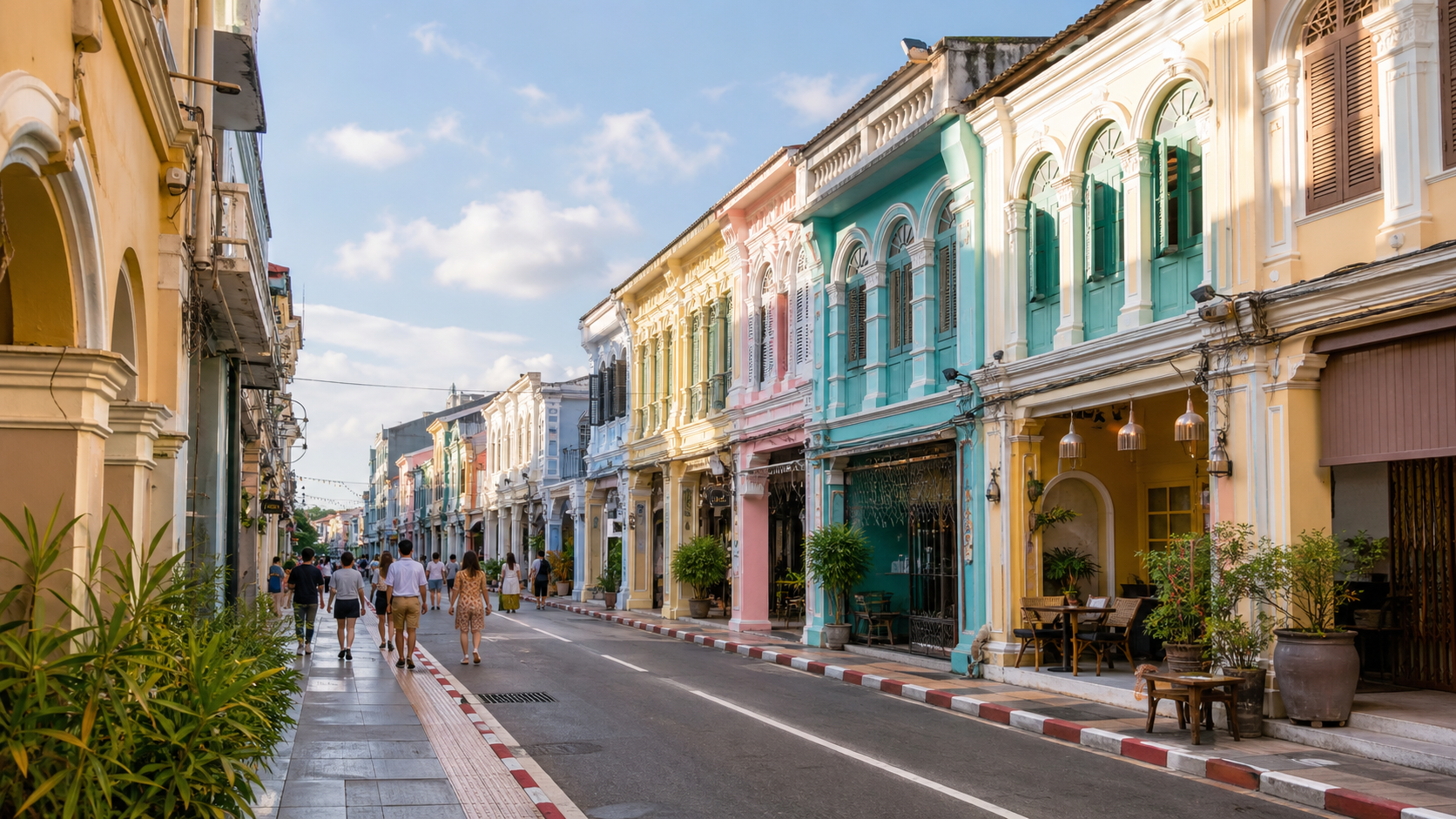
A comfortable Phuket day works best when the heritage stop and the coast are treated as two different moods, not as a checklist. Start with Phuket Old Town while the streets are cooler, then use the private van to move toward one or two viewpoints, a beach pause, and an easy hotel return. This gives travelers architecture, color, food, and sea views without forcing the group to cross the island too many times.
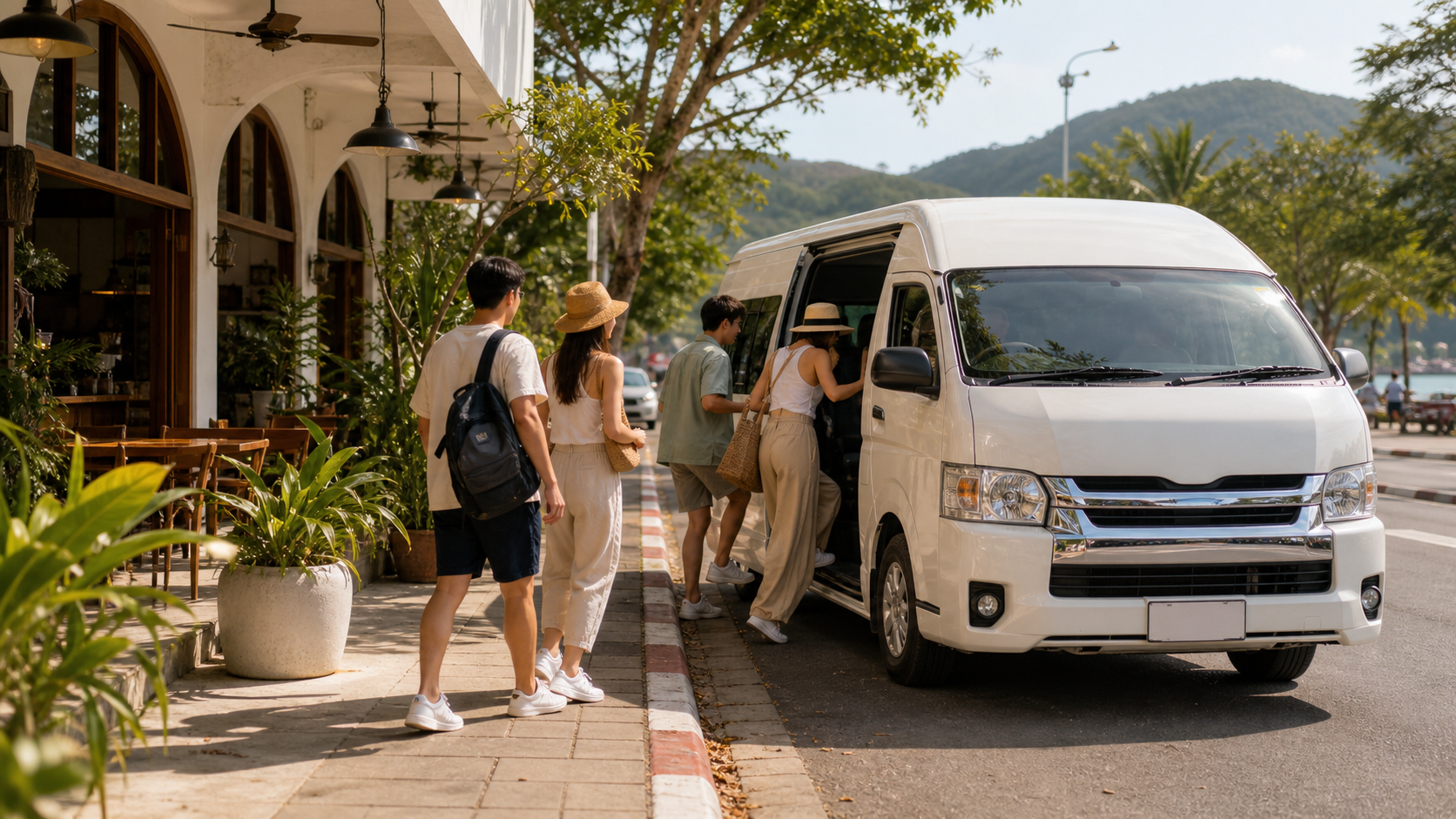
The route is especially useful for families, couples, and small groups who want a polished day but still need flexibility. A driver can adjust parking, pickup points, and timing while the group walks, takes photos, or adds a cafe stop. That support is what keeps the day calm when the weather is hot or the old streets become busier.
Why this topic connects to the existing journal
The route builds naturally from recent articles about Phuket Old Town, Phuket viewpoints, and private van pacing. It answers a search-friendly question that travelers actually ask: how do you combine culture and scenery in one Phuket day without spending the whole afternoon in traffic? The best answer is not to add every famous stop. It is to choose a compact route with enough space between highlights.
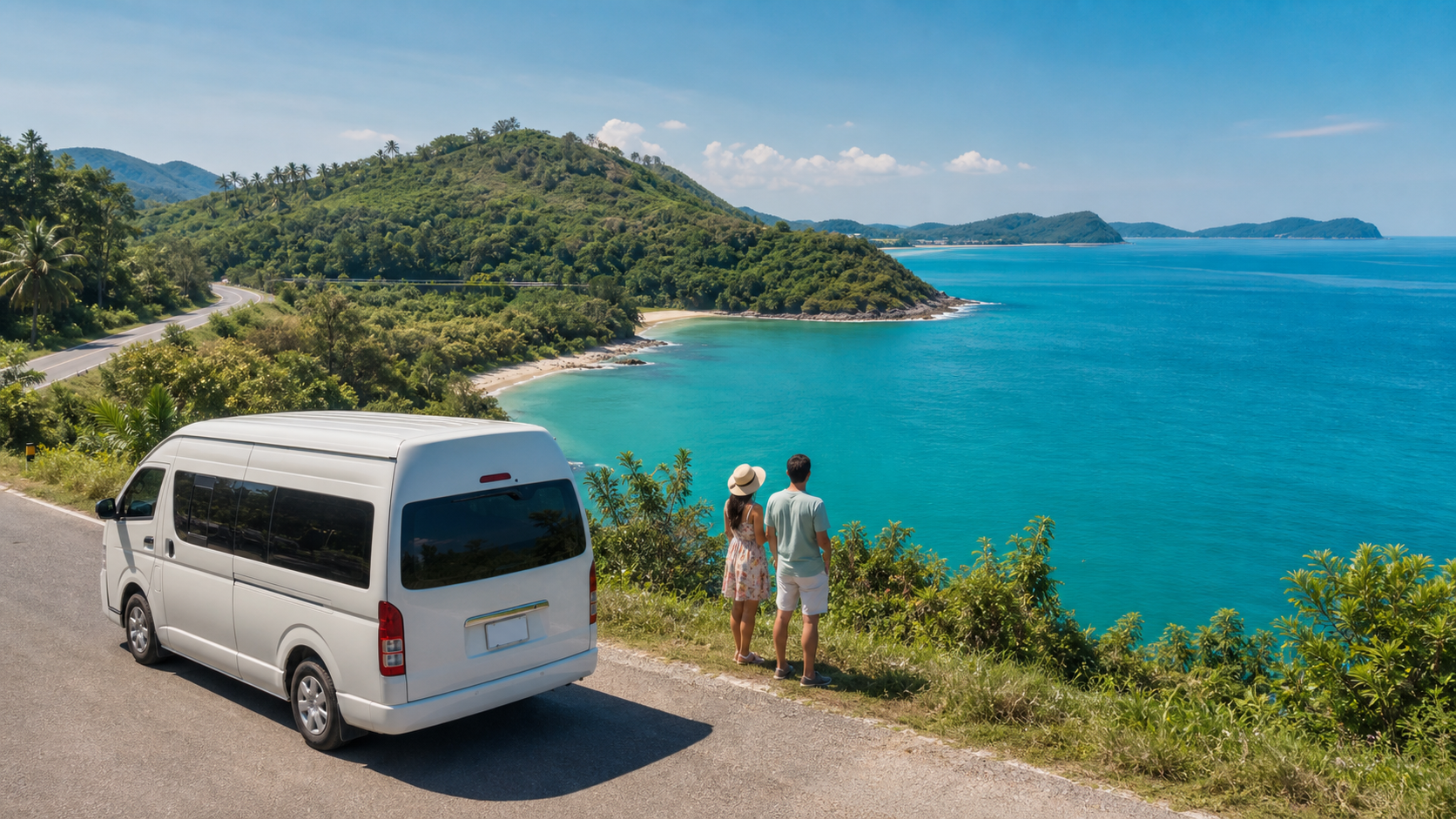
Old Town gives the day its local character. Viewpoints and coastal roads give it scale. A private van connects both sides without making the traveler think about parking, route order, or where to meet the driver after a walk. That makes the article useful for classic SEO searches and for AI search summaries, because the recommendation is clear, practical, and grounded in a real travel decision.
Suggested route rhythm
Begin with hotel pickup after breakfast, ideally before the hottest part of the day. Walk Thalang Road, Soi Romanee, and nearby side streets slowly enough to notice shutters, tiles, cafes, shrines, and restored facades. Keep the first stop focused. If the group wants coffee or photos, build that into the plan rather than treating it as a delay.
After Old Town, return to the van for air-conditioning and continue toward a viewpoint or coastal lunch. This transition matters. It gives everyone a reset after walking and creates a more premium feeling than jumping straight into another crowded stop. The route can then finish with one beach pause, one scenic viewpoint, or a shopping stop depending on the group.
SEO and traveler intent notes
Travelers searching for Phuket planning usually want a route that feels realistic, not a generic destination list. The article should mention hotel pickup, walking comfort, heat, parking, photo timing, and route order because these details shape the decision to book a private van. It should also make clear that fewer stops can create a better day.
For AI search friendliness, the article should include direct answers, short planning rules, and clear relationships between places. Phuket Old Town is best for color and heritage. Viewpoints are best for scenery and sunset planning. The van is useful because it connects them with less friction. Those simple statements are easy for search systems to summarize and useful for real travelers.
Internal linking plan
This article should link back to related Phuket and private route articles so readers can continue planning. Internal links help search engines understand that the journal is organized around route planning, private van comfort, and local timing. They also guide visitors toward existing pages instead of leaving them at a single post.
The article should end with a soft booking suggestion: share pickup point, passenger count, luggage, preferred pace, and must-see stops. That keeps the commercial intent clear without turning the journal into a hard sales page. It also matches the tone of the site: helpful first, booking-ready when the visitor is ready.
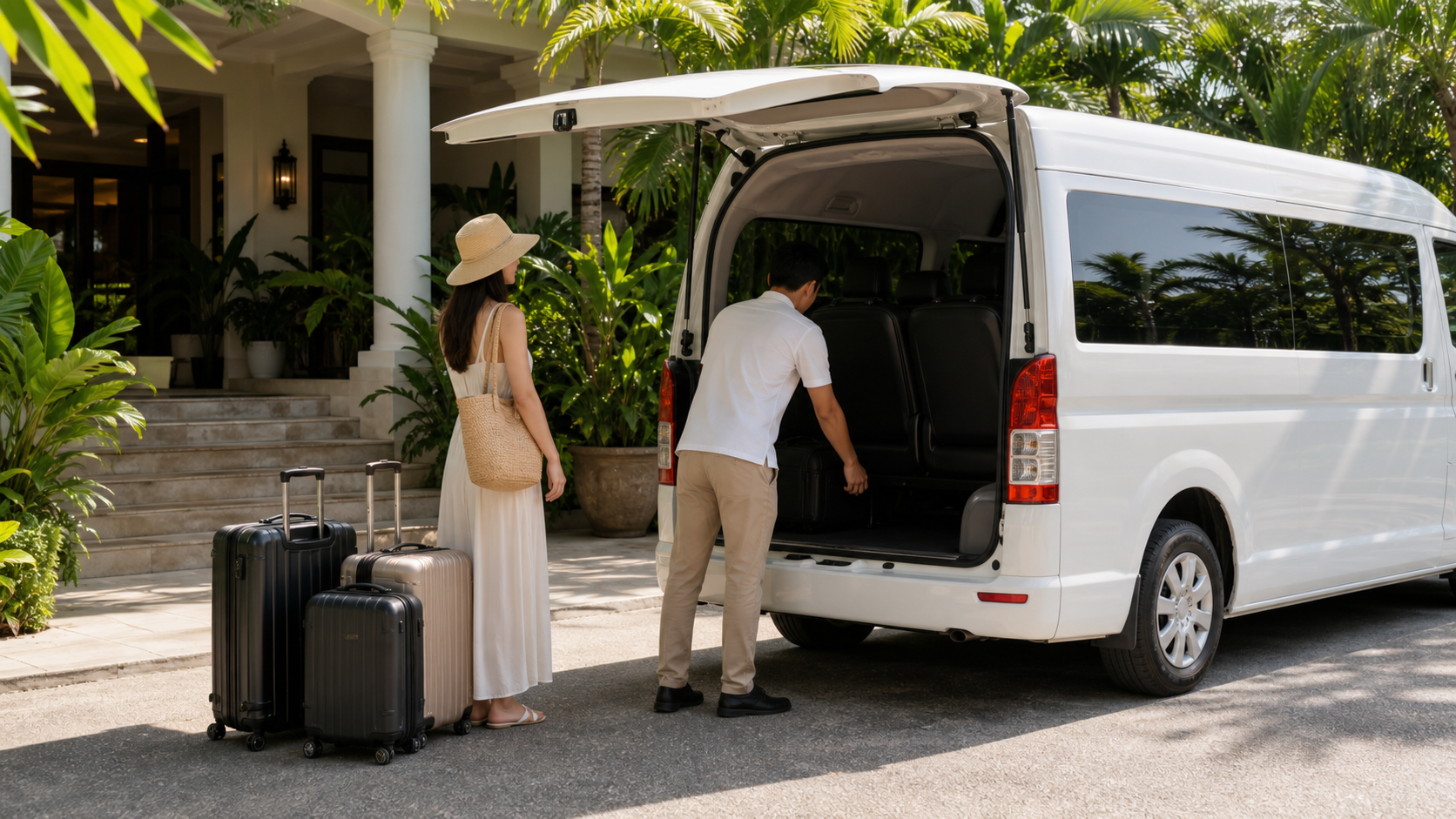
Image plan for the automated article
The image set should feel consistent with the existing journal. The first image can act as the hero because it establishes the destination clearly. The second image should show the route atmosphere, such as a viewpoint, cafe, walking street, temple detail, or coastal scene. The third image can show the private travel experience: travelers returning to the van, luggage handled comfortably, or a hotel pickup that makes the itinerary feel easy.
This mix helps the page serve both SEO and conversion. Search visitors see the destination they asked about, while booking-minded visitors understand how the private van fits into the day. The images should avoid fake text, exaggerated colors, or anything that feels like a stock collage. Natural light, real textures, and a calm travel mood are more important than dramatic effects.
Practical booking answer
The simplest booking rule is to decide the main purpose of the day before adding optional stops. If the group wants culture, start with Old Town and keep the coast simple. If the group wants photos, plan the best light and avoid too many indoor breaks. If the group is traveling with children or older guests, shorten the walking portion and add more time in the van between stops.
A private route should make the day feel easier, not heavier. The best version leaves enough space for one spontaneous pause, one comfortable meal window, and one clean hotel return. That is the kind of advice that helps both human readers and AI search systems understand the article: the recommendation is specific, actionable, and connected to real travel behavior.